
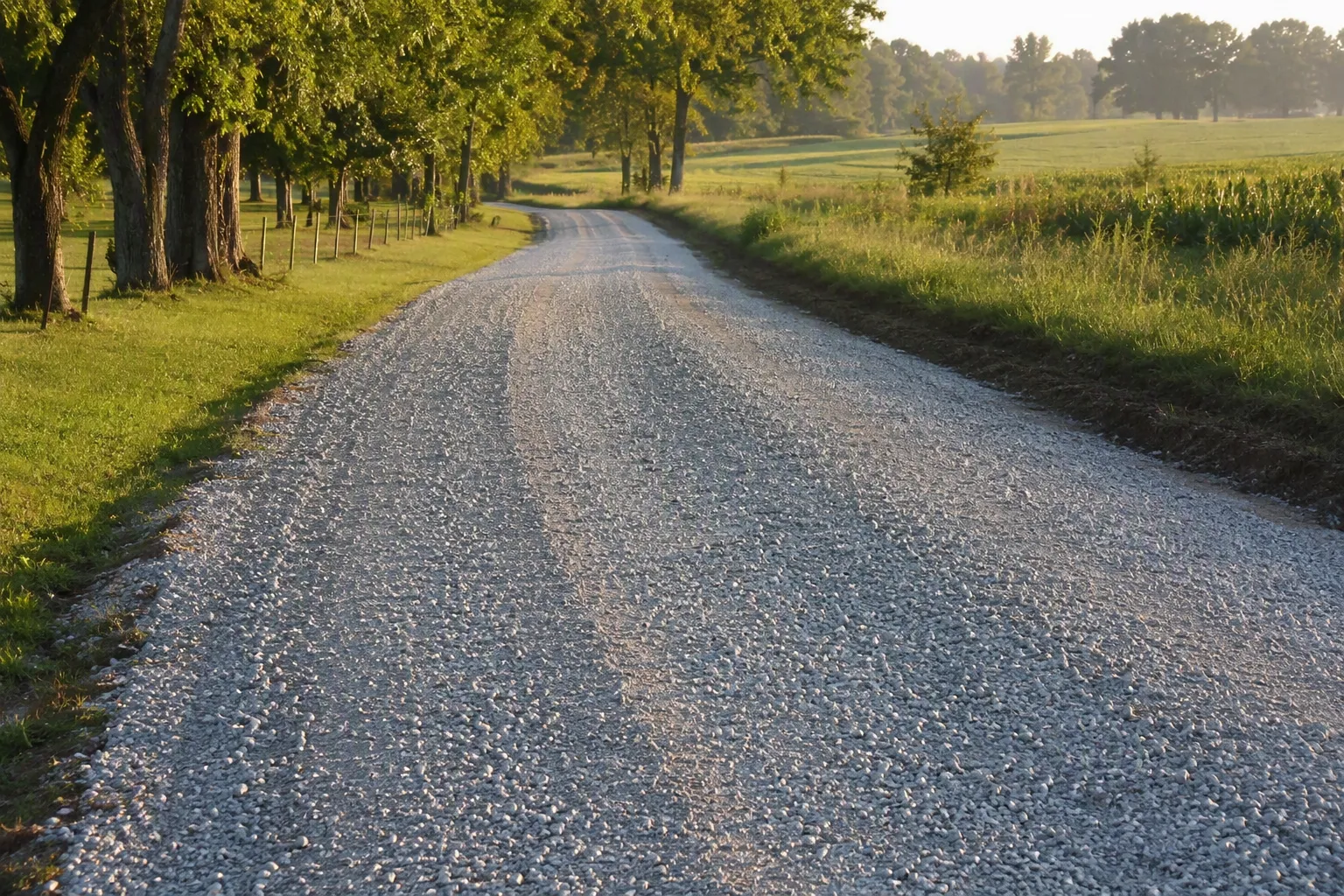
Whether you own a few acres or a large recreational property, a well-designed trail can transform how you use and enjoy your land. In Raleigh and throughout Wake County, dense brush, fallen trees, vines, and uneven terrain often make parts of a property difficult to access. Professionally built trails provide safe, reliable access while preserving the natural landscape. Land ClearCo designs and creates trails that connect key areas, improve accessibility, and enhance year-round enjoyment of outdoor spaces.
North Carolina’s long growing season, frequent rainfall, and clay-rich soils encourage rapid vegetation growth. As a result, fence lines in Raleigh and surrounding areas often become overgrown with invasive plants, vines, and fast-growing trees such as Chinese Privet, Common Greenbrier, Loblolly Pine, Eastern Red Cedar, and Sweetgum saplings.
Over time, these plants can:
A well-planned trail system makes it easier to enjoy and manage your land.
A clearly maintained fence line makes property ownership easier.
Whether you own residential acreage, farmland, hunting property, recreational land, or commercial property, keeping fence lines clear improves both appearance and functionality.
This helps us create trails that feel natural and remain functional for years to come.
Brush, saplings, and dense vegetation can quickly make existing trails difficult to navigate.
Poorly planned trails often develop standing water, muddy sections, and erosion problems.
Thick undergrowth and invasive species can block access to important areas of the property.
Strategic trail placement improves access to stands, food plots, and remote locations.
Trails help connect ponds, creeks, wooded acreage, maintenance areas, and recreational spaces.
Many properties throughout Raleigh and central North Carolina contain clay-heavy soils that can hold moisture after periods of rain. Poorly planned trails can develop standing water, muddy sections, erosion, or drainage problems over time.
In wooded areas, aggressive root systems, thick brush, and invasive vegetation can make trail maintenance difficult.
By carefully planning trail placement and clearing vegetation strategically, we help reduce future maintenance concerns while improving accessibility throughout the property.
Every project is customized based on the property’s terrain, vegetation, and intended use.
Walking trails create opportunities to enjoy wooded areas, wildlife, and natural features that may otherwise be difficult to access.
Dedicated trails allow easier movement throughout larger properties while reducing unnecessary wear on other portions of the land.
Strategic trail placement can help hunters reach stands, food plots, and remote areas more efficiently.
Trails can provide access for mowing, inspections, fencing projects, and general land management.
Many landowners enjoy creating trails that provide access to areas where wildlife activity is common.
Whether you’re protecting mature trees, restoring a wooded lot, reclaiming fence lines, or improving access around your property, our team can help.
Surrounding Communities
Land ClearCo provides trail development services throughout Raleigh, Wake County, Cary, Apex, Holly Springs, Garner, Fuquay-Varina, Morrisville, Clayton, Durham, Chapel Hill, Knightdale, Zebulon, and nearby communities.
Whether you’re creating recreational trails, hunting access routes, ATV paths, or property maintenance corridors, we can help bring your vision to life.
Trail width depends on how the trail will be used. Walking trails are typically narrower, while ATV, UTV, and maintenance trails often require additional width.
Does mulching improve land access in Wake County?
Absolutely. We frequently clear invasive species such as Chinese Privet (Ligustrum sinense), vines, and dense brush that interfere with property access.
Yes. Hunting trails are one of the most common projects we perform. Proper access can make it easier to move throughout the property while minimizing disturbance.
Our goal is to improve access while minimizing unnecessary disturbance. Every project is evaluated based on terrain, vegetation, and soil conditions before work begins.