
Reclaim Your Raleigh Property Without the Construction Zone Mess

“Precision Forestry Mulching in Raleigh, NC by Land Clear Co”

If you’ve ever stared at an overgrown section of your property and wondered how you’d ever get it cleared without turning it into a construction zone, forestry mulching might be exactly what you need. This land clearing method has been gaining serious traction among property owners across Raleigh NC, Wake County, and surrounding areas—and for good reason.

Let’s dig into what forestry mulching actually involves, why it works so well for North Carolina land, and how it compares to traditional clearing methods.

What Is Forestry Mulching, Anyway?

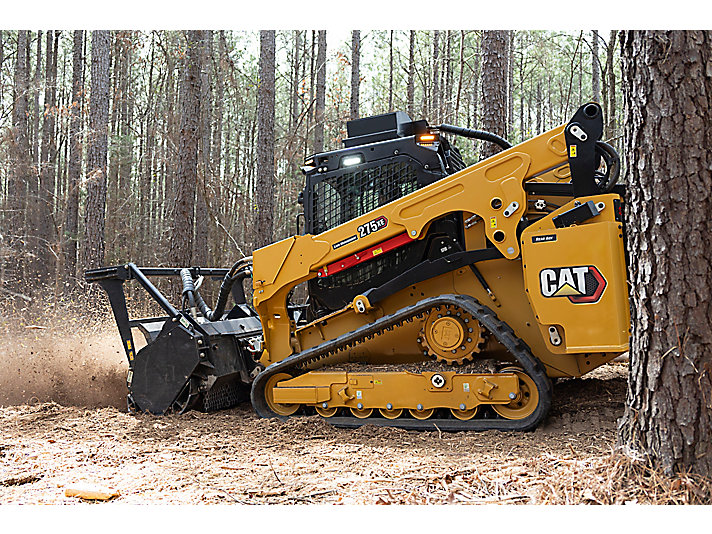
Forestry mulching is a land clearing technique that uses a single machine equipped with a rotary drum or disc mulcher to cut, grind, and spread vegetation in one pass. Instead of hauling away trees, brush, and undergrowth, the mulcher processes everything on-site and leaves behind a layer of organic mulch.

Think of it as nature’s recycling program, powered by some seriously impressive machinery.

The equipment can handle everything from small saplings and dense underbrush to trees up to 8 inches in diameter (and sometimes larger, depending on the machine). What’s left behind is a carpet of natural wood chips that breaks down over time, returning nutrients to the soil.

Why North Carolina Landowners Are Choosing This Method

It Works With Our Soil Conditions

Here in central North Carolina, we deal with a mix of clay-heavy Piedmont soils and sandy loam in some areas. These soil types can be temperamental—clay compacts easily when heavy equipment repeatedly drives over it, while sandy soils are prone to erosion when vegetation is removed.

Forestry mulching addresses both concerns. The single-machine approach means fewer passes over your land, reducing soil compaction. And that layer of mulch left behind? It acts as a protective blanket, holding soil in place and preventing runoff during our sometimes-heavy Carolina rains.

Our Native Vegetation Responds Well

North Carolina properties often feature a mix of native species that can quickly overwhelm land when left unchecked. We’re talking about:

native species in north carolina
  • Pinus taeda (Loblolly Pine) — fast-growing and common throughout Wake County
  • Liquidambar styraciflua (Sweetgum) — notorious for those spiky seed balls
  • Juniperus virginiana (Eastern Red Cedar) — often the first to colonize abandoned fields
  • Smilax rotundifolia (Common Greenbrier) — the vine that seems to grab at everything
  • Ligustrum sinense (Chinese Privet) — an invasive species that spreads aggressively

Forestry mulching handles all of these efficiently, grinding invasive species and overgrown natives into mulch that won’t resprout.

Forestry Mulching vs. Traditional Land Clearing

Let’s compare this method to what most people picture when they think about clearing land.

Traditional Excavation and Clearing

Standard land clearing typically involves multiple pieces of equipment and several steps:

  1. Chainsaws and feller bunchers cut trees
  2. Skidders drag logs to a central location
  3. Excavation equipment removes stumps and roots
  4. Trucks haul debris to disposal sites
  5. Grading equipment levels the disturbed soil

This approach has its place—especially for large-scale development projects or when you need lumber salvaged. But it’s time-consuming, tears up the ground, and leaves you with bare dirt that’s vulnerable to erosion.

The Forestry Mulching Difference

With forestry mulching, a single machine drives through the area once. There’s no hauling, no burn piles, no disposal fees, and no exposed soil. The job that might take a traditional crew a week can often be completed in a day or two.

For farm owners dealing with overgrown fence lines or property owners tackling that back section they’ve been avoiding for years, this efficiency matters.

Common Applications for Property Owners

Land Management and Maintenance

Proper land management isn’t a one-time thing. Pastures get invaded by volunteer pines. Woodlot edges creep into usable acreage. Rights-of-way get swallowed by vegetation.

Forestry mulching lets you stay ahead of these issues without the expense and disruption of traditional clearing methods.

Site Preparation

Planning to build a barn, install a fence, or create food plots for wildlife? Forestry mulching creates a clean slate quickly. The mulch layer left behind can even help with weed suppression during construction phases.

Fire Prevention and Defensible Space

Reducing fuel loads around structures is increasingly important. Mulching creates defensible space by eliminating the dense undergrowth that carries ground fires while preserving larger trees you want to keep.

Trail Creation and Access Roads

Whether you’re establishing hiking trails, ATV paths, or simple access routes through your property, forestry mulching creates clear paths with built-in erosion control from the mulch layer.

What to Expect During the Process

A typical forestry mulching project in the Raleigh area follows a straightforward progression:

Initial Assessment — A walk-through of your property to identify what needs clearing, any obstacles or sensitive areas to avoid, and access points for equipment.

Clear Communication — Discussion about your goals, timeline, and budget. Are you clearing for pasture? Trail access? Building site prep? Each goal might influence the approach slightly.

Equipment Selection — Depending on terrain and vegetation density, different mulching heads or carrier machines might be more appropriate.

Execution — The actual mulching typically moves faster than people expect. An acre of moderate brush might take just a few hours.

Final Walk-Through — Confirming the work meets your expectations and addressing any touch-up areas.

Working With Farm Owners and Rural Properties

Farm owners face unique land clearing challenges. You might need to reclaim pasture that’s been overtaken by scrub growth, clear fence lines that have disappeared under honeysuckle and greenbriar, or open up new areas for livestock rotation.

Forestry mulching is particularly well-suited to agricultural applications because:

  • Livestock can often be introduced to cleared areas quickly
  • The mulch layer breaks down into soil organic matter
  • No holes or debris left behind that could injure animals
  • Selective clearing allows you to preserve valuable shade trees

Environmental Considerations

For property owners concerned about environmental impact, forestry mulching checks a lot of boxes. There’s no burning (which releases carbon and particulates), no hauling (reducing fuel consumption and road wear), and no chemical treatments needed.

The mulch layer supports soil biology, reduces erosion, and moderates soil temperature—all things that help your land recover quickly and support whatever comes next.

Frequently Asked Questions

Do I Need a Permit for Forestry Mulching on My Own Property?

The short answer for most Wake County and Raleigh NC property owners: probably not for the mulching itself. However, there are some situations where permits or notifications might apply:

  • If your property is within Raleigh city limits, tree removal ordinances may require permits for trees over a certain diameter
  • Wetland areas or stream buffers have state and federal protections regardless of property ownership
  • Some HOAs have covenants about tree removal
  • If the cleared land will be used for construction, that use may require permits

It’s always smart to check with your local planning department before starting a project. A quick phone call can save headaches down the road.

How Long Does the Mulch Take to Decompose?

In North Carolina’s climate, with our humidity and warm temperatures, most mulch from forestry clearing breaks down significantly within 1-2 years. Larger wood pieces may take longer, but the overall layer will gradually incorporate into the soil.

Can You Mulch Around Trees I Want to Keep?

Absolutely. Skilled operators can work selectively, clearing undergrowth while preserving desirable trees. Just be sure to communicate which trees are keepers before work begins.

Ready to Talk About Your Property?

If you’ve got land in Raleigh NC, Wake County, or the surrounding areas that needs attention, Land Clear Co would like to help. Whether you’re a farm owner looking to reclaim productive acreage, a property owner tired of looking at that overgrown section, or someone planning a building project that needs site preparation, forestry mulching might be the solution you’ve been looking for.

Give us a call or reach out through our website at landclearco.com to schedule a property assessment. We’ll walk your land with you, discuss your goals, and give you a straightforward quote for the work.

No pressure, no complicated sales pitch—just honest conversation about what your land needs and how we can help make it happen.

Share

More Posts